Introduction
The Gold Coast presents unique conditions for concreting projects: coastal salt exposure, heavy rainfall and high UV, warm temperatures, and frequent development. This guide explains the main concreting options available in 2025, practical considerations for homeowners and businesses, and how to choose a reliable concreting service or concreting contractor on the Gold Coast. It covers driveways, paths, patios, and commercial slabs with actionable advice, relevant standards, and local tips.
Why choose concrete on the Gold Coast?
Concrete remains one of the most durable and cost-effective surfaces for driveways, walkways, patios and commercial slabs. On the Gold Coast, concrete performs well when designed for local conditions: salt resistance for coastal sites, adequate drainage for storm events, and mixes suited to higher temperatures to control cracking. Concrete also offers a wide range of finishes like exposed aggregate driveway surfaces that combine slip resistance with aesthetic appeal.
Common concreting service types
Local concreting companies typically offer the following services:
- Concrete driveway installation — plain, coloured or exposed aggregate driveway options Concret path and walkways — narrow footpaths, garden paths and access ramps Patios and outdoor living areas — decorative finishes, steps and thresholds Commercial slabs and footings — industrial-grade slabs, warehouse and retail bases Repairs and maintenance — crack repair, resurfacing, joint replacement and sealing
Popular finishes and when to use them
Exposed aggregate driveway
An exposed aggregate driveway uses a decorative top layer of aggregates (pebbles or crushed stone) that are revealed by washing or surface retarder. Benefits include strong slip resistance, coastal durability when correctly specified, and a premium appearance. Exposed aggregate suits driveways, pool surrounds and pathways.
Coloured and stamped concrete
Coloured concrete integrates pigments into the mix for uniform colour; stamping adds texture and patterns resembling pavers or stone. These are good for patios and commercial areas where design is important. Ensure pigments and release agents are UV-stable for Gold Coast sunlight.
Broom finish and smooth trowel
A broom finish provides traction for driveways and paths. Smooth trowel finishes are used indoors or protected patios. For external areas on the Gold Coast, a lightly textured finish reduces slip risk when wet.
Materials, mix design and standards
Specifying the right mix and materials is critical. Relevant Australian standards to reference in 2025 include AS 3600 (Concrete structures), AS 1379 (Specification and supply of concrete), and local QBCC guidance for contractors. Key considerations:
- Concrete strength — Residential driveways and paths commonly use 25–32 MPa mixes; commercial slabs may require 32–40+ MPa depending on loads. Cement type — For coastal Gold Coast sites, consider blended cements with lower chloride permeability or additives that reduce corrosion risk to reinforcement. Admixtures — Plasticisers, retarders (for hot weather), air-entrainment (where freeze/thaw is a risk — less relevant on the Gold Coast), and SCMs (fly ash, slag) for durability and lower embodied carbon. Reinforcement — Mesh (SL72 or similar) in slabs and rebar in structural elements; use epoxy-coated or stainless reinforcement near the coast if salt spray is expected.
Site-specific design considerations for the Gold Coast
Design your concreting project with local climate and site conditions in mind:

Selecting a concreting contractor or concreting company
Choosing the right concreting contractor on the Gold Coast ensures compliance, longevity and value. Look for:
- QBCC licence — All contractors must hold the relevant Queensland Building and Construction Commission licence for concreting works. Insurance and public liability — Request certificates of currency. References and portfolio — Ask for recent examples of concrete driveways, exposed aggregate driveways, patios and paths completed in coastal conditions. Written quotes and specifications — A detailed quote should list concrete grade, subbase depth, reinforcement, jointing, drainage and curing method. Warranty and maintenance guidance — Confirm defect liability periods and routine maintenance expectations.
Typical installation process and timeline
Most residential projects follow these steps. Timelines vary with size and weather, but a small driveway typically completes in 3–5 days of on-site work plus curing time.
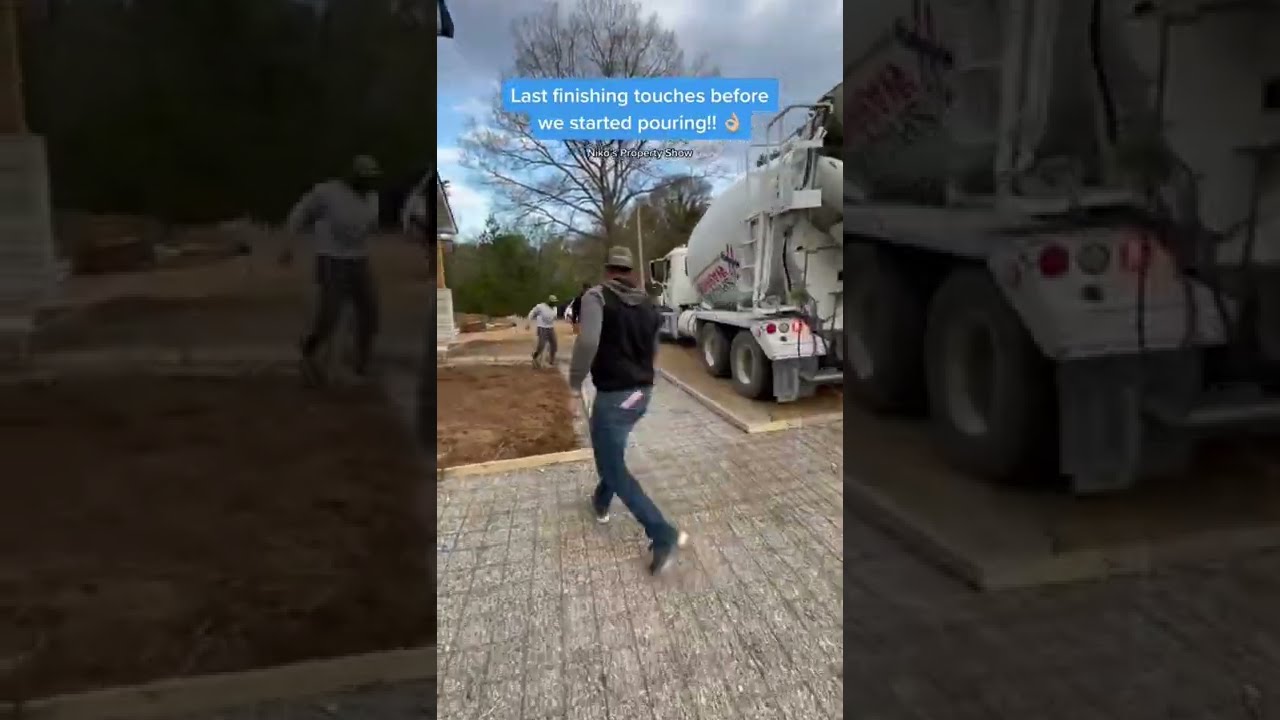
Site prep — Excavation, subgrade compaction and subbase placement (usually 80–150mm of crushed rock for driveways). Formwork and reinforcement — Set forms, place mesh or rebar, and install any drains or sleeves. Pouring and finishing — Deliver concrete, consolidate, screed and apply desired finish (exposed aggregate, broom or stamped). For exposed aggregate, the top layer is treated to reveal aggregate after sculpting. Curing — Proper curing for at least 7 days to achieve strength and reduce cracking; use curing membranes, wet hessian or chemical curing agents depending on finish usability. Jointing and sealing — Cut control joints at recommended spacing (typically at intervals equal to slab thickness in mm × 3 for plain slabs) and apply sealer where required for stain resistance and reduced water ingress.
Costs and budgeting (Gold Coast 2025)
Prices vary by finish, site access and complexity. Typical 2025 ballpark ranges (AUD, incl. GST) for residential works on the Gold Coast:
- Plain concrete driveway: $70–$110 per m² Exposed aggregate driveway: $95–$150 per m² Coloured or stamped concrete: $120–$180 per m² Concrete path / CONCRET PATH: $60–$120 per m² depending on width and finish
Obtain at least three written quotes and compare scope rather than price alone. Ask about additional costs for rock removal, stormwater works, or council crossover reinstatement.
Maintenance and long-term care
Routine maintenance extends the life https://telegra.ph/Gold-Coast-Concreting-Residential-vs-Commercial-Needs-12-02 of concrete on the Gold Coast:
- Clean surfaces annually with a pressure washer and suitable detergent to remove salt and organic stains. Reapply a breathable sealer every 3–5 years for decorative or exposed aggregate surfaces — select marine-grade products for coastal exposure. Repair cracks early with polyurethane or epoxy injection and replace failed joints to prevent water ingress. Avoid de-icing salts (not typically used on the Gold Coast) and limit heavy vehicle turning on residential surfaces to reduce fatigue cracking.
Environmental and sustainability considerations
In 2025, low-carbon concreting is more accessible. Options include specifying supplementary cementitious materials (fly ash, slag), using recycled aggregates, and low-emission cements. Permeable concrete or porous pavers help with on-site stormwater infiltration and can contribute to council water-sensitive urban design goals. Discuss embodied carbon figures and lifecycle costs with your concreting company if sustainability is a priority.
When to consult an engineer
Engage a structural or civil engineer for:
- Load-bearing commercial slabs or heavy vehicle access areas Retaining walls integrated with slab works Sites with significant slope or poor subgrade conditions Complex drainage or stormwater diversion requirements
Final tips for Gold Coast property owners
Plan your concreting project around the seasons: autumn and spring offer milder temperatures for better curing; avoid major pours during extreme summer heat or forecasted heavy storms. Always check the contractor's QBCC licence, request a detailed specification (including concrete grade and reinforcement), and confirm warranty terms. For a visually appealing and durable outcome, consider an exposed aggregate driveway for coastal properties and ensure proper drainage and corrosion protection are specified.
Conclusion
Choosing the right concreting service or concreting contractor on the Gold Coast in 2025 means balancing design, durability and cost with local environmental conditions. Whether you need a new concrete driveway, a concret path, or a commercial slab, specifying the correct mix, reinforcement, jointing and maintenance plan will deliver a long-lasting result. Obtain multiple quotes, confirm licences, and prioritise solutions tailored for coastal exposure to protect your investment.
Gold Coast Concreting Experts
Shop 4/22 Bailey Cres, Southport QLD 4215, Australia
ph. (07) 5230 8851